


The Persistent Hidden Hazard in Food: How Tricky Is Bacillus Cereus?
Recently, a well-known brand has voluntarily recalled its infant formula milk powder due to the potential presence of Bacillus cereus in its raw materials, sparking nationwide attention online. What exactly is this little-known bacterium? And why is it so notoriously hard to tackle?
I. Getting to Know Bacillus cereus
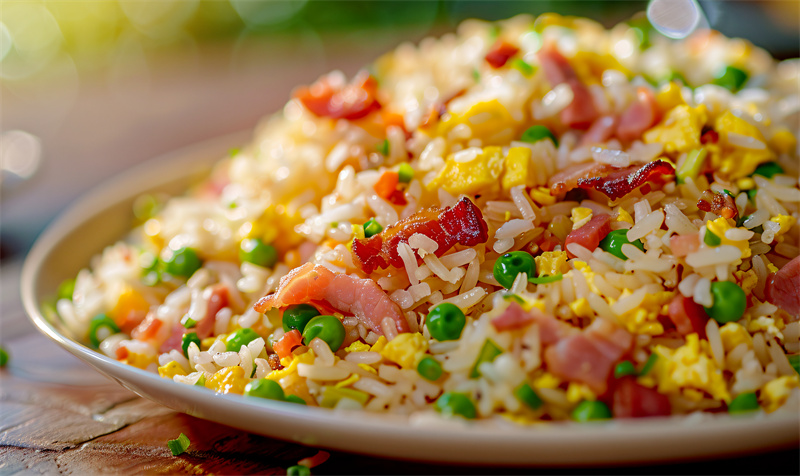
Bacillus cereus is a common foodborne pathogenic bacterium, often likened to an "invisible killer" lurking in food. It has a particular penchant for making its home in starchy foods such as rice, noodles and mashed potatoes. Bearing the scientific name Bacillus cereus, it belongs to the Bacillus family and is widely distributed in soil, dust, water and on the surfaces of plants, making it easy for it to contaminate our food ingredients.
II. Two "Survival Superpowers": Why Is It So Hard to Eliminate?
1. Endospores: The Dormant Protective Structure of Bacteria
When exposed to harsh conditions such as high temperatures, desiccation and nutrient deficiency, it transforms into dormant spores, as if donning a suit of impenetrable armor. Ordinary boiling, freezing and air-drying cannot kill it; it can even resist certain disinfectants. Only autoclaving at 121°C or sustained high temperatures for an extended period can completely eliminate these "dormant bodies".
2.Biofilms: The "Collective Fortress" of Bacteria
Formation:It secretes viscous substances, causing the bacteria to clump together and form a dense film that adheres to food processing equipment, pipelines and tableware.
Protective Properties:It blocks cleaning agents and disinfectants, enhances the bacteria's stress resistance, facilitates their synergistic toxin production, and accelerates food spoilage.
III. Harm to the Human Body: Two Toxins, Different Symptoms
1. Thermostable Emetic Toxin (heat-resistant, the most common type)
Properties: Extreme persistence – not inactivated after 2 hours of boiling at 121°C (undamaged by daily cooking), resistant to gastric acid and digestive enzymes, and small molecular size (cannot be removed by sterilization processes).
Symptoms: Short incubation period (1-6 hours), mainly nausea, vomiting and abdominal pain.
2. Thermolabile Enterotoxin (heat-sensitive)
Properties: Inactivated when heated at 56°C for more than 10 minutes.
Symptoms: Long incubation period (6-24 hours), mainly diarrhea and abdominal pain (watery stools), with no fever and rare vomiting.

Key Reminder
Adults experience mild symptoms and a short course of illness after infection (self-healing within 1-2 days). Infants and young children, with weak immunity and delicate gastrointestinal tracts, may develop severe complications such as dehydration and sepsis.
IV. Prevention Guide: Enterprises & Consumers – Joint Efforts
Enterprise
Strictly screen raw materials and eliminate contaminated ingredients;
Regularly remove biofilms from equipment and pipelines to prevent bacterial residue;
Strictly control production temperature and humidity to inhibit bacterial reproduction;
Strengthen finished product inspection and prevent defective products from entering the market.

Consumer
Buying Food: Check the production date, shelf life and storage conditions; purchase from official and reliable channels.
Storing Food: Put refrigerated products in the refrigerator promptly, store them at the labeled temperature, and consume them as soon as possible.
Identifying Spoiled Food: Discard food unhesitatingly if it has an unusual odor or mold; never take the risk of eating it.
Eating Leftovers: Reheat thoroughly (core temperature ≥70℃) and try to finish eating on the same day.
Bacillus cereus may be notoriously intractable, but it is by no means impossible to prevent. Nothing is trivial when it comes to food safety; only with strict management by enterprises and careful attention from consumers can we safeguard the food safety on our tables.