


Stop Obsessing Over Calories! Your Weight Depends on How You Eat Fatty Acids
Does the anxiety of a soaring number plague you every time you step on the scale? We've always assumed that excess calories are the sole culprit of obesity, yet cutting-edge research reveals that fatty acids in fats are the hidden key variable.

I.Alarming Obesity Statistics
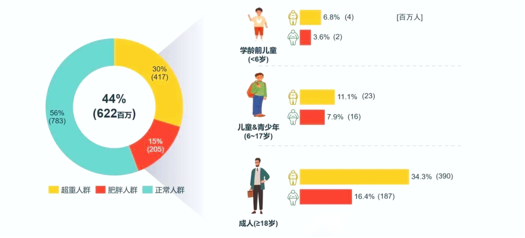
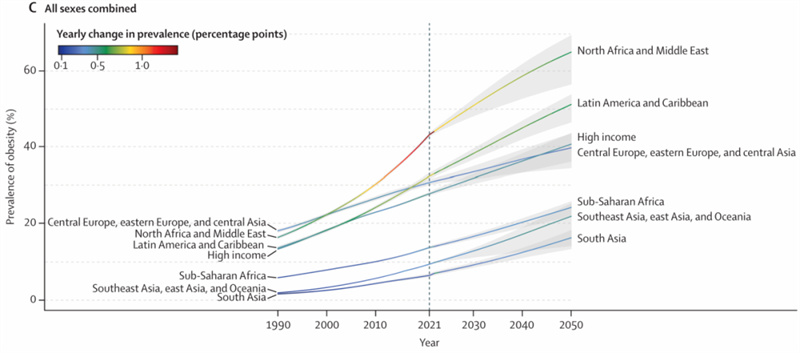
Global Trend: Over the past 30 years, the adult obesity rate has surged—by 104.9% among women and an astonishing 155.1% among men. By 2050, the global overweight and obese population will exceed 3.8 billion, accounting for more than half of all adults.
China’s Status Quo: China has become the country with the largest number of overweight and obese people in the world, reaching 402 million. Geographically, the "north fat, south thin" phenomenon is prominent, with high-carb and high-fat diets in northern China being a major contributing factor.
Among the core dietary factors, the "quality" and proportion of fatty acids deserve more attention than simply controlling calories.
II. Fatty Acids: The "Weight Regulator" in Your Body
Fatty acids are the basic units of fats, divided into three categories—saturated fatty acids, monounsaturated fatty acids, and polyunsaturated fatty acids. Their metabolic characteristics directly affect whether fat accumulates.
1. Saturated Fatty Acids: Fat-Promoting "Metabolic Signals"
Sources: Animal fats (meat, milk, butter), coconut oil, palm oil, etc.—mostly solid at room temperature.
Fat-Promoting Mechanism: Not only are they easily converted into triglycerides for storage, but they also reduce energy expenditure and activate inflammatory pathways, triggering insulin resistance. This makes the body more prone to converting glucose into fat for storage, forming an "inflammation-obesity vicious cycle".
Special Finding: Medium-chain saturated fatty acids vary in effect. Capric acid (C10:0) increases obesity risk, while caproic acid (C6:0) actually reduces the risk of overweight by 32% in non-drinkers.
2. Polyunsaturated Fatty Acids: Fat-Fighting "Metabolic Helpers"
Containing multiple double bonds, they are less likely to be stored as fat and more prone to energy supply. They are divided into two types: Omega-3 and Omega-6.
Omega-3: Anti-Inflammatory and Fat-Regulating
Sources: Deep-sea fish oil (EPA, DHA), flaxseed oil, walnuts, chia seeds, etc.
Core Functions: Inhibit the release of inflammatory factors and improve insulin resistance; activate fat metabolism receptors, promote adiponectin secretion, and reduce visceral fat; regulate gut microbiota and lower metabolic endotoxins.
Omega-6: Imbalanced Ratio Issue
Sources: Sunflower oil, corn oil, soybean oil, linoleic acid, etc.—they are essential fatty acids for the human body.
Core Problem: Harmless when consumed alone, but severely overabundant in modern diets. The ratio of Omega-6 to Omega-3 often reaches 20:1 (the healthy ratio is 1:1 to 4:1). Excess intake promotes adipocyte differentiation, enhances pro-inflammatory signals, and disrupts metabolic balance.

III. Scientific Oil Consumption: 3 Practical Tips to Implement Now
Instead of blindly "cutting out oil", learn to "choose the right oil". Optimizing fatty acid intake is more effective than counting calories.
1. Shift Your Mindset: From "Eating Less Fat" to "Eating the Right Fat"
Prioritize: Olive oil, rapeseed oil, nuts, avocados, deep-sea fish (salmon, sardines), flaxseed oil, and other foods rich in monounsaturated fatty acids and Omega-3.
Limit: Animal oil, butter, cream, fried foods—reduce saturated fatty acids and trans fatty acids.
2. Focus on the Core: Balance the Ratio of Omega-6 to Omega-3
Ensure a certain intake of Omega-3 daily: Eat deep-sea fish 2-3 times a week, use flaxseed oil in salads (it can’t withstand high temperatures, so don’t use it for stir-frying), or eat an appropriate amount of walnuts and chia seeds. Gradually adjust the ratio back to a healthy range.
3. Emphasize the Whole: Pair with a Healthy Diet Pattern
Recommend the Mediterranean diet: Eat plenty of fruits, whole grains, and legumes; take olive oil and fish as the main fat sources; pair with high-quality protein (poultry, soy products). Meanwhile, reduce processed foods and replace frying with steaming, boiling, and braising to make fatty acid metabolism more efficient.
Final Reminder: Obesity is not caused by a single factor, but adjusting fatty acid intake is a cost-effective breakthrough. Next time you buy oil or order food, pay more attention to the fatty acid "code" behind the food—losing weight healthily will be much easier!